The Road to
Green Sands Beach
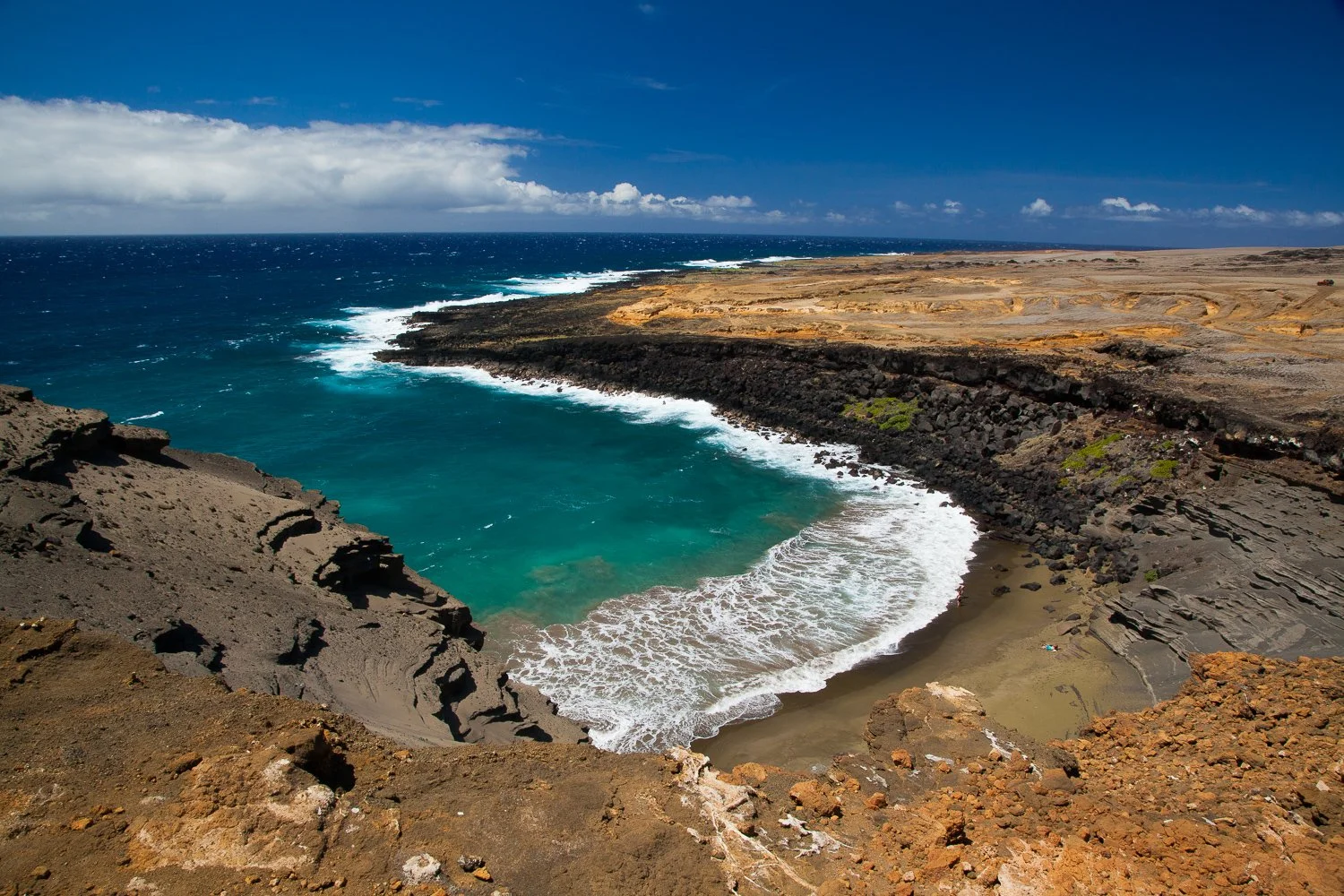
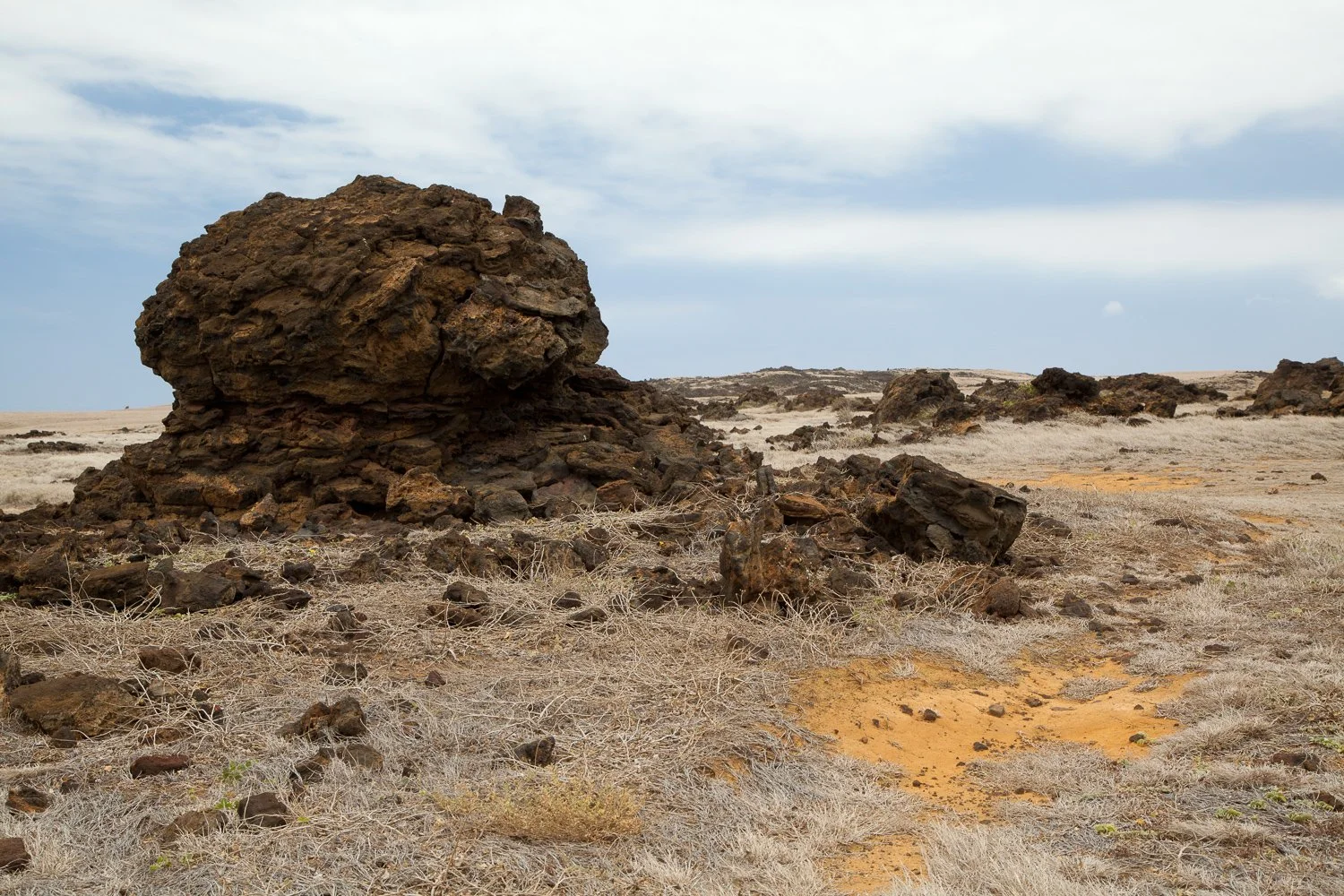
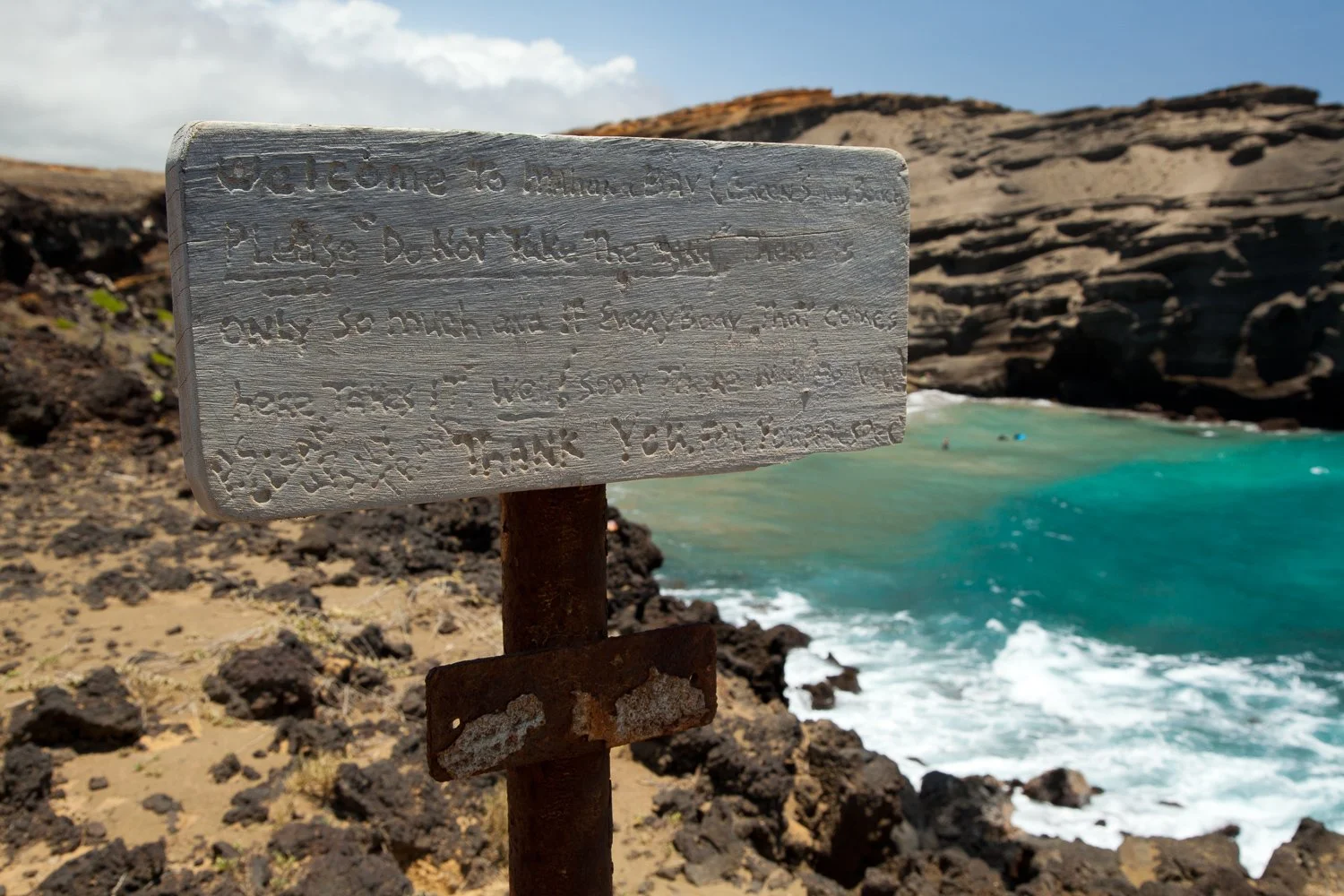
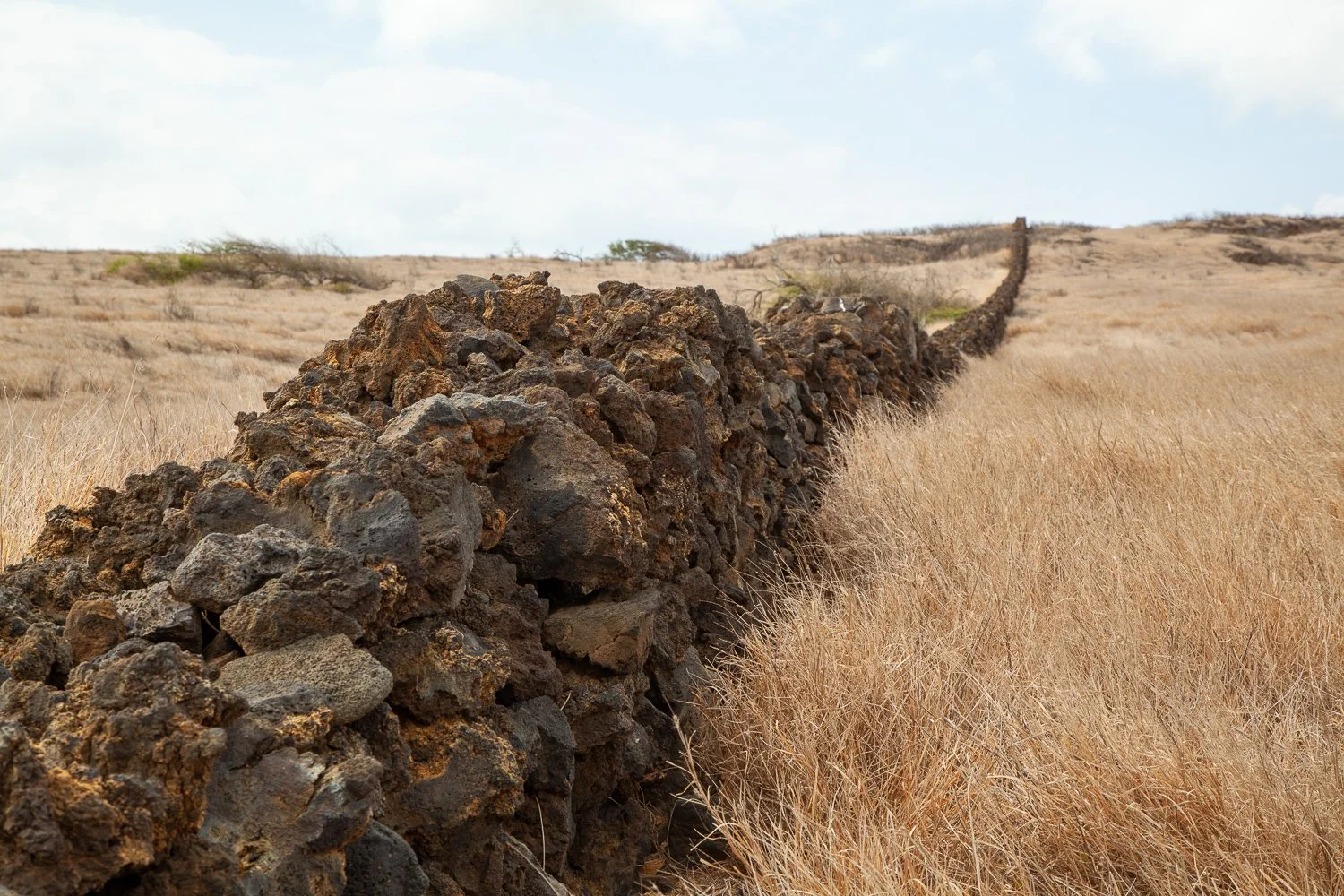
At the southernmost point of Hawaiʻi Island lies Papakōlea Beach, also known as Green Sands Beach, one of the few green sand beaches in the world. The journey to this remote landscape travels through a constantly changing environment of lush forests, cattle ranches, dirt roads, abandoned military structures, dry grasslands, and ancient lava flows, all bordering a powerful and relentless ocean.
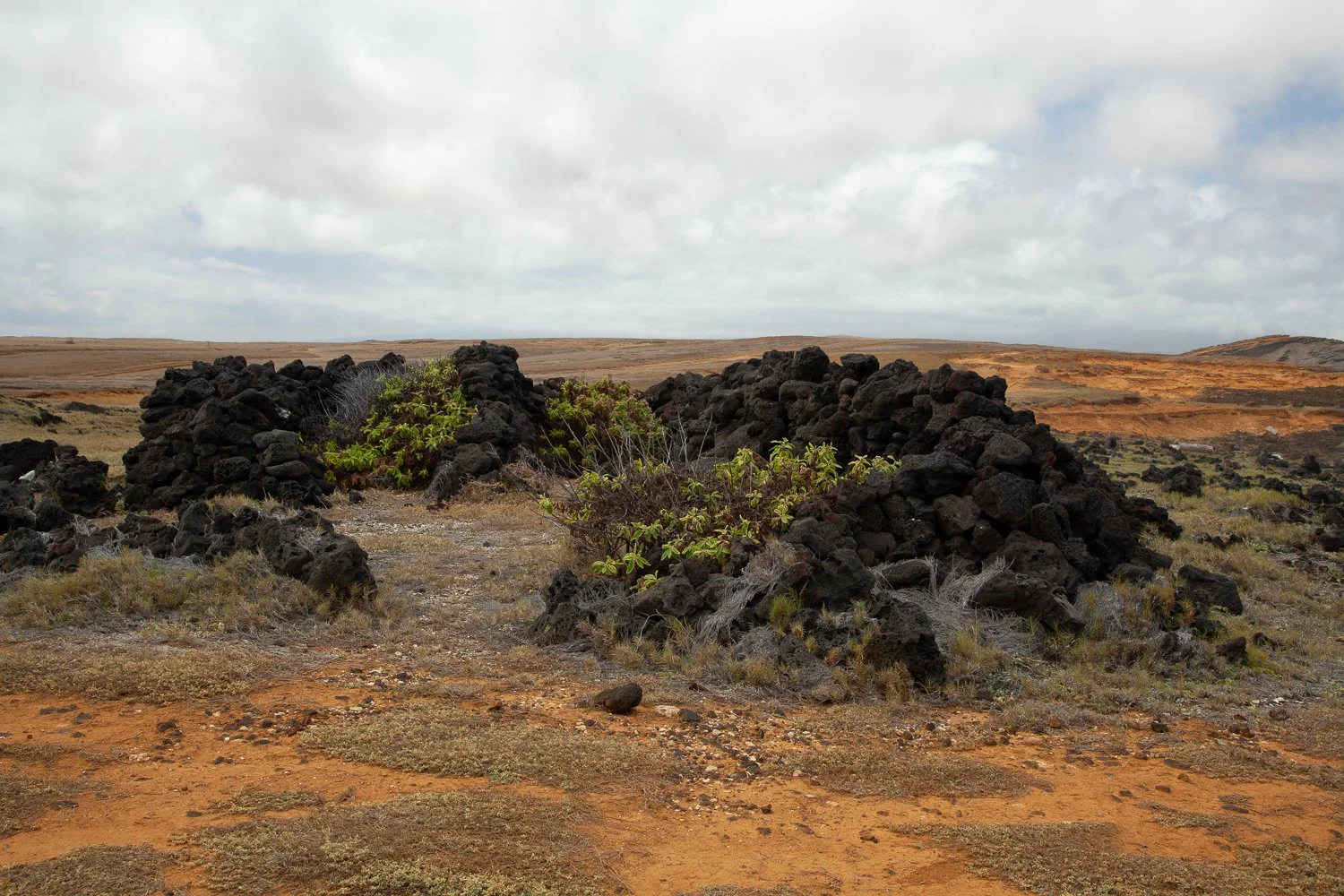
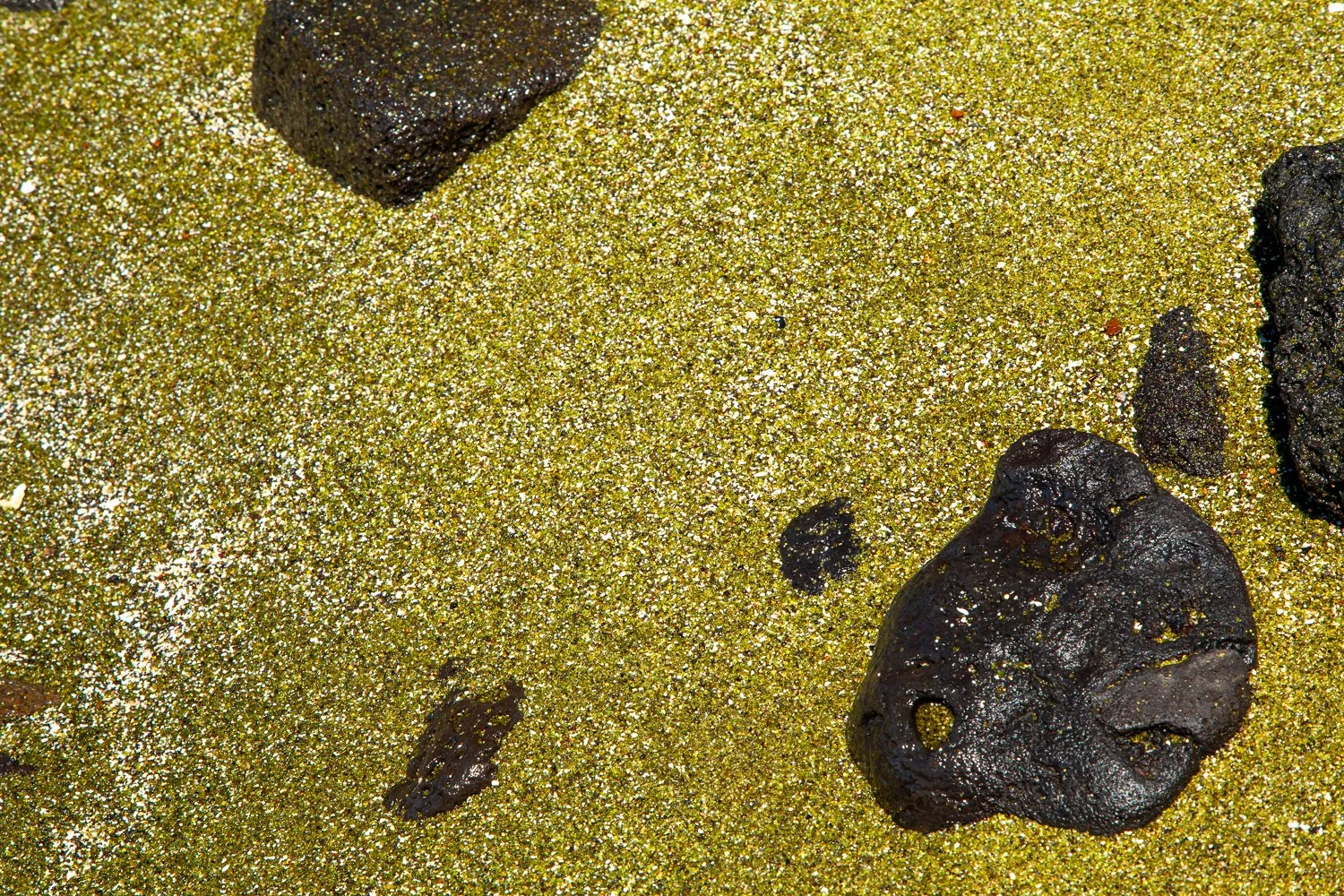
Papakōlea Beach was formed from a volcanic cinder cone, and the distinctive green color of its sand comes from olivine crystals created during volcanic activity. Beyond its geological significance, this area holds deep historical and spiritual importance. It is associated with some of the earliest Polynesian arrivals to the Hawaiian Islands and contains significant archaeological sites connected to Hawaiian history. During World War II, portions of the landscape were transformed by the United States Air Force for an airstrip and military camp. Today, the area is a destination for off road driving, fishing and swimming.
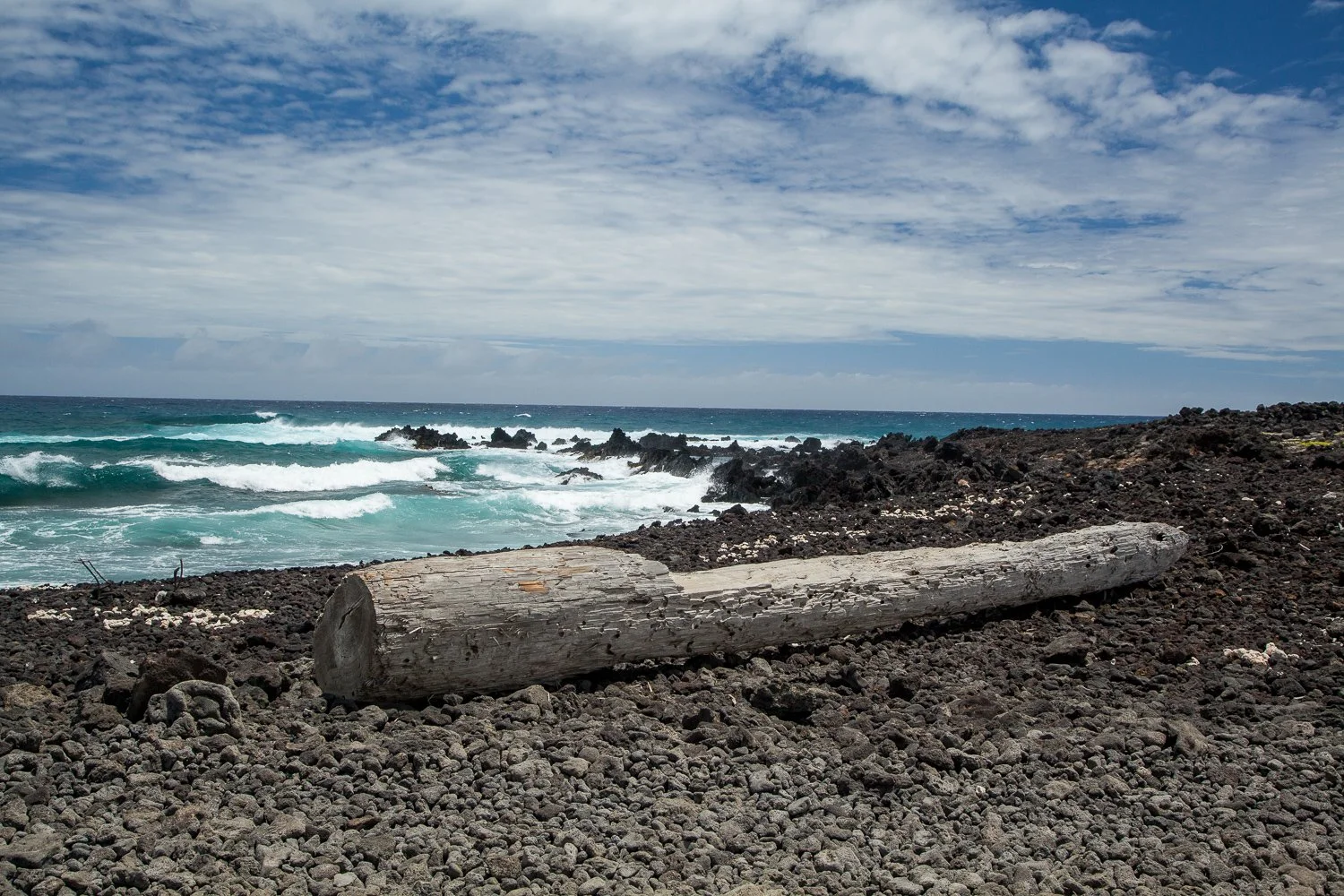
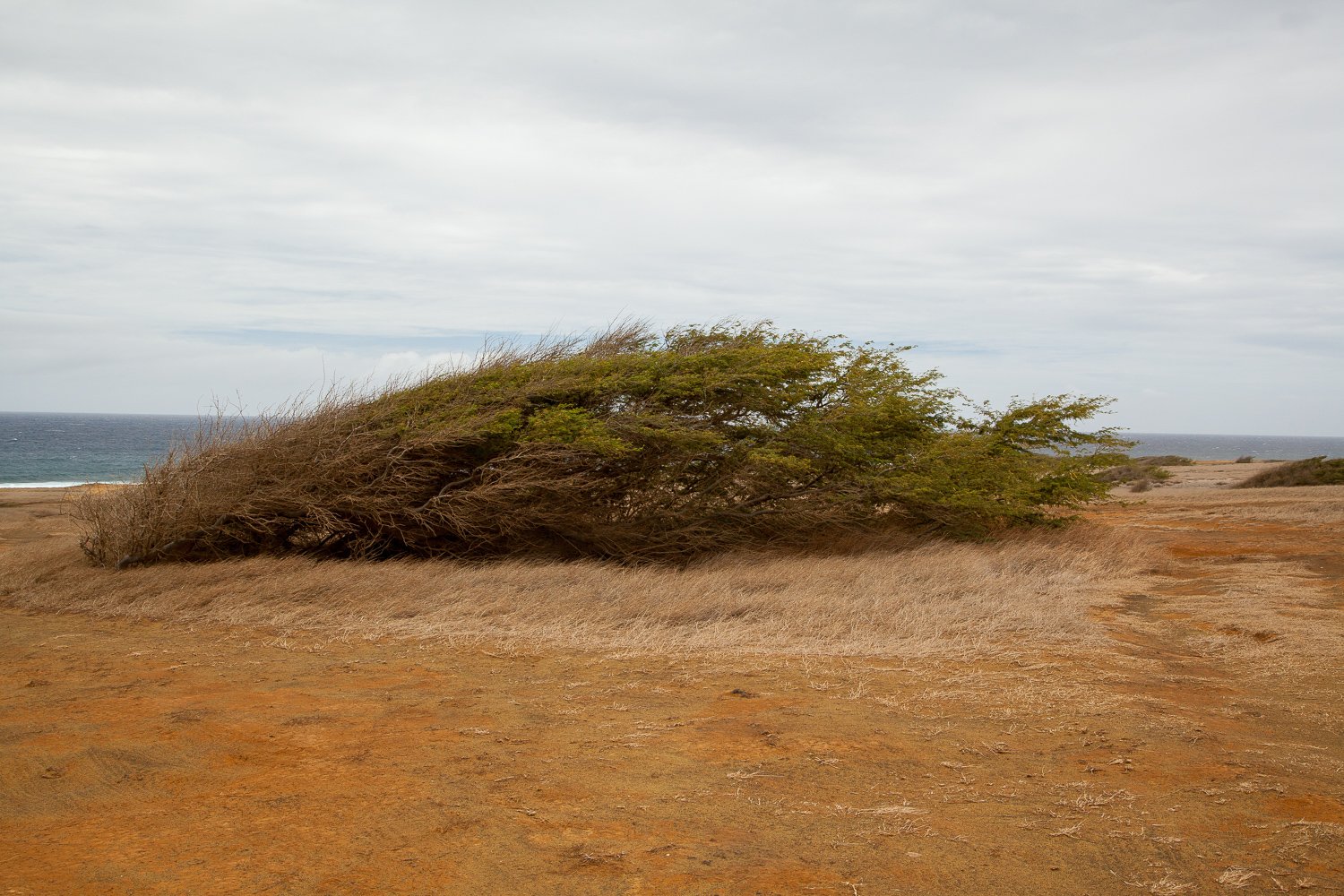
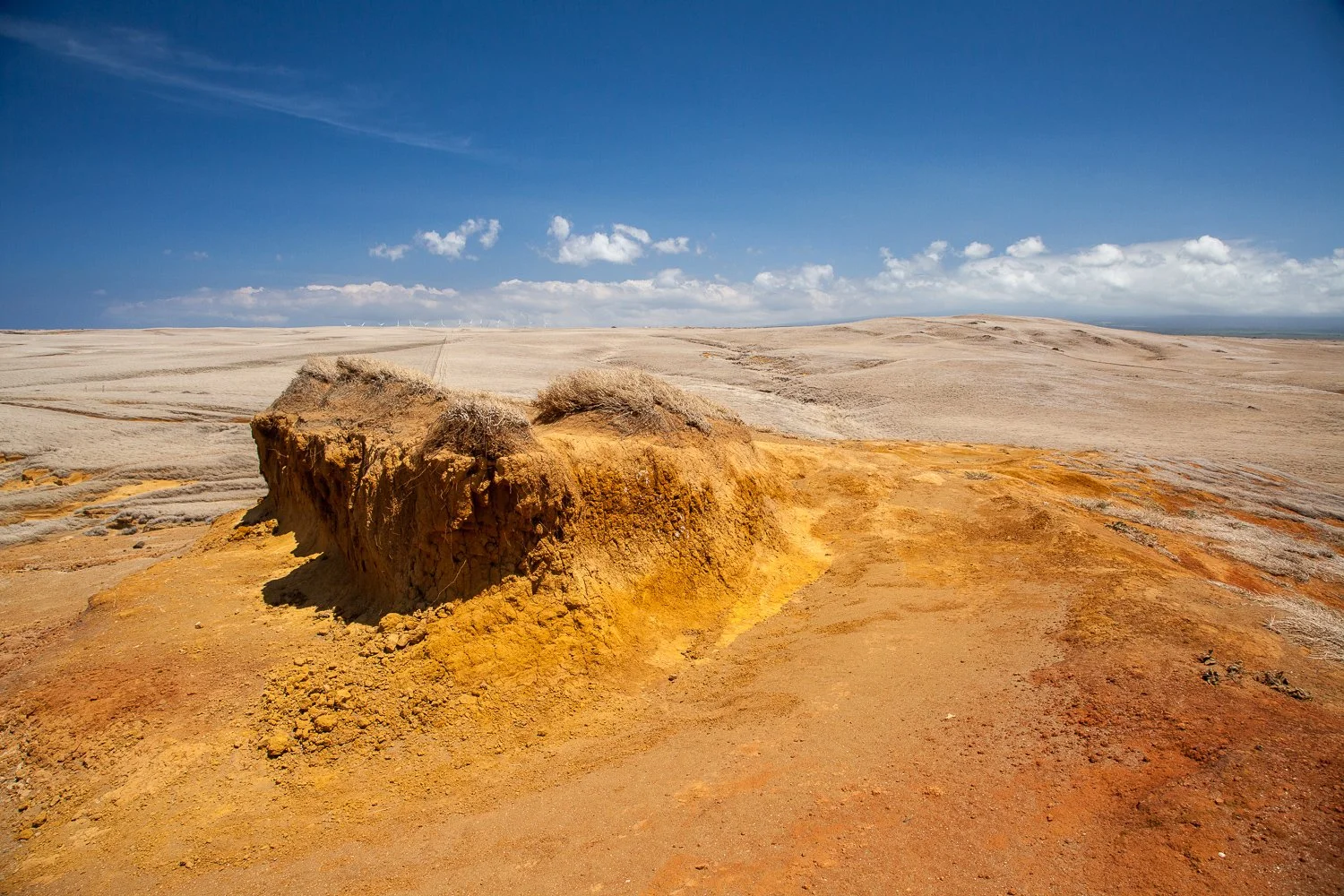
The environment surrounding Papakōlea is shaped by harsh conditions including strong winds, intense sunlight, rugged terrain, and the ongoing forces of erosion and change. This project explores the relationship between humans and the land: how we have impacted the land and how the land impacts us.